
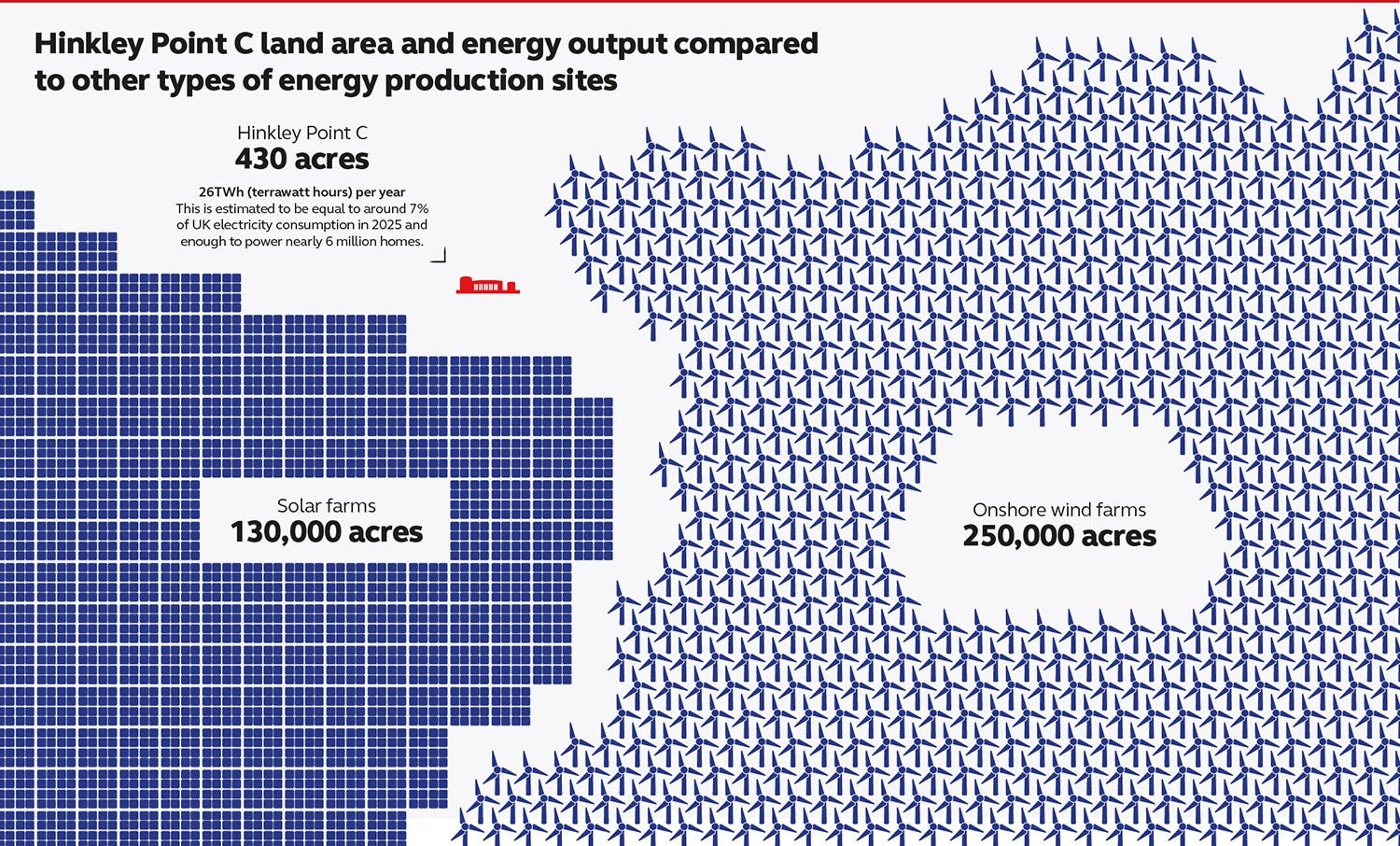
It is too hard to build new nuclear power stations in Britain. A big reason why is the way Britain imposes expensive design changes on nuclear projects. EDF is spending around £700m on ‘fish protection measures’ at Hinkley Point C. They include a £50m ‘acoustic fish deterrent’, a £150m on a fish recovery and returns system, and two massive concrete ‘low velocity side intake heads’ that are estimated to cost half a billion pounds. EDF is doing this to comply with the Habitats Regulations – rules designed to protect rare and threatened species. In the case of Hinkley Point C, these will save an extremely small number of legally protected fish. In fact, EDF is paying something like hundreds of thousands of pounds per protected fish saved. And remember, nuclear is the most land-dense form of power generation there is. Whatever source of power that takes its place will have impacts on nature too.
It goes without saying that this is all extremely poor value-for-money. It is possible for £700m to do a lot more for nature. The Government appears to agree. They accepted the findings of John Fingleton’s review into nuclear regulation ‘in full’. The Fingleton Review recommended that instead of being required to provide ‘like-for-like’ compensation for adverse impacts on protected sites and species, developers should be given the freedom to fund a much wider range of measures so long as they represent a more cost-effective way of helping nature. (We called for the same thing in our Policy Playbook for Cheaper Nuclear.)
So, is the problem solved? Not quite. The Government endorsed giving developers more flexibility, but opted to do so through guidance only. That’s better than nothing, but it still leaves the door open for nature regulators like Natural England to interpret the guidance as they see fit. If Natural England (or the Environment Agency) still believe the law requires like-for-like compensation then they will demand it. And even if Natural England follows the guidance, there will still be activists ready to test whether that guidance is legally robust in the courts. Risk-averse developers wary of delays and legal challenges may simply opt not to take advantage of any new flexibility.
The Fingleton Review was about how to make it easier to build nuclear powerplants, but the fact that the Habitats Regulations require like-for-like compensation isn’t just a problem for nuclear. One of the worst affected sectors is offshore wind. From time to time, kittiwakes (a sort of posh seagull) fly into the turbine’s massive rotating blades. Like-for-like compensation here typically means creating new artificial nesting structures for the birds. Known as ‘kittiwake hotels’ these are typically towers in the sea with big boxes on the top where kittiwakes can nest.
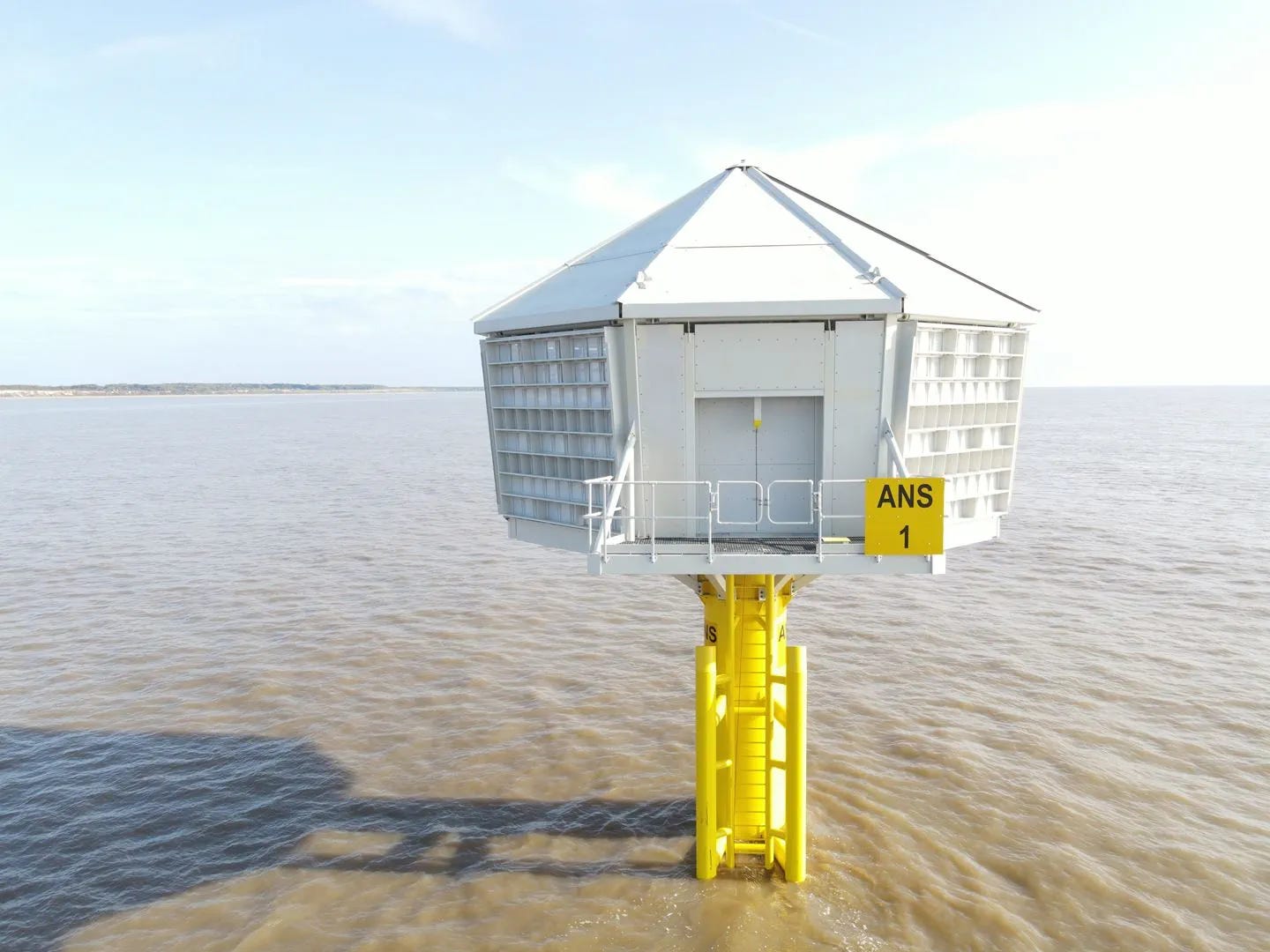
Building kittiwake hotels isn’t cheap. Across the UK’s offshore wind pipeline, developers are set to spend over £300m on the structures. There’s another problem: kittiwake hotels aren’t a scalable solution. When you build 300 million pounds’ worth, you soon hit diminishing returns. There are only so many sites you can use and so many kittiwakes to use them.
If you really wanted to help kittiwakes, you’d be better off focusing on making sure they have enough food. Sand eels are kittiwakes’ snack of choice and have seen their numbers decline massively (70% by some estimates) because of overfishing and climate change. We can’t do much in the short-term about the latter, but we can address the former. The problem is that because fisheries are managed by other policies, any action to reduce sand eel overfishing doesn’t count as additional. The most effective environmental remedy is ruled out.
There are other problems too. It isn’t enough to build a hotel for kittiwakes, developers need to show the regulator the rooms are booked out too. This can take time – four years according to one RenewableUK blog.
In response to energy prices spiking in response to Russia’s invasion of Ukraine, the last Government committed to build a lot of offshore wind in a short amount of time. Put simply, the Kittiwake hotel and wait approach wasn’t going to work. Instead they committed to a special package of strategic compensation where offshore wind developers could pay into a ‘marine recovery fund’ instead of designing (and testing) inefficient site-by-site solutions.
Now here’s the curious thing. For nuclear, the Government is relying on guidance. Their view is apparently that the Habs Regs themselves aren’t broken – they’re just being interpreted badly. For offshore wind, they seem to have taken a different view and have chosen to legislate putting a statutory instrument before Parliament
The Conservation of Habitats and Species (Offshore Wind) (Amendment etc.) Regulations 2026 amends the requirement to provide like-for-like compensation and clarifies that compensation must instead “benefit the UK MPA (Marine Protected Area) network in a manner which is reasonably proportionate to the adverse effects…” and this only applies to “relevant offshore wind plan or project[s].”
Remarkably, days after ruling it out, the Government has done exactly what the Nuclear Regulatory Taskforce called for on like-for-like compensation just for offshore wind farms.
I have a few questions for DESNZ.
Is new guidance sufficient to allow non-like-for-like compensation? If so, why are we legislating for offshore wind?
If guidance isn’t sufficient and legislation is necessary, then why are we not legislating to amend the Habitats Regulations for nuclear too?
If we’re not legislating to fix the Habs Regs for nuclear (but we are for wind), then is the Government really serious about delivering a ‘golden age for nuclear’?
As usual, Dumitru is refusing to address the concept of the hierarchy of mitigation.
‘Renewables’ have always been treated differently. Take rock dump. Sometimes when installing pipelines and cables, or even structures offshore subject to scour, you need to dump rock for protection (from trawling, anchor drag or in the case of scour, exposure and weakening of foundations). This is much more of an issue in shallower waters where currents are strongest and trawling etc. more frequent.
Environmentally this is frowned on because you are introducing a foreign material. Rock dump is also well nigh impossible to retrieve on decommissioning so is a permanent change to the seabed.
Historically the oil industry has been under pressure to minimise volumes. This can be done by trenching and burial with ploughs for pipeline and cables sometimes using multiple runs and with careful survey to only dump on difficult sections. In some areas you can instead use concrete mats or structures (some even have features like ‘fronds’ to encourage sediment deposition). Concrete mats and structures can of course also be retrieved at end of field life. All this is very expensive though, particularly as in most cases you will still need to rock dump in certain locations, just a bit less of it.
Rock dumpers by the way are much cheaper than Construction Support and Dive Support vessels which are more exotic beasts with trenching spreads, water jetting kit etc.
All these concerns though seem to fly out of the window on offshore wind developments.
A couple of years ago prior to the 33rd licensing round the oil and gas industry was told there was a risk that development consents might not be forthcoming because the UK was about to breach international ‘commitments’ it had made on rock dump.
Needless to say it wasn’t the offshore oil sector that was the culprit.
If you want to see the scale of the problem just download an Environmental Statement for an offshore wind farm. The schematics showing the cable arrays and protection measures also give you a feel for why fishermen don’t like wind farms.
It would appear that we have a ‘two tier’ approach to environmental protection or should that be ‘two faced’; despite protestations to the contrary political virtue signalling will always trump science.