
Islington has an acute housing crisis. A one-bedroom flat can easily rent for over £3,000 a month. There are 16,000 people on the social housing waiting list. The borough’s housing target is 1,264 homes a year. It does not come close to meeting it.
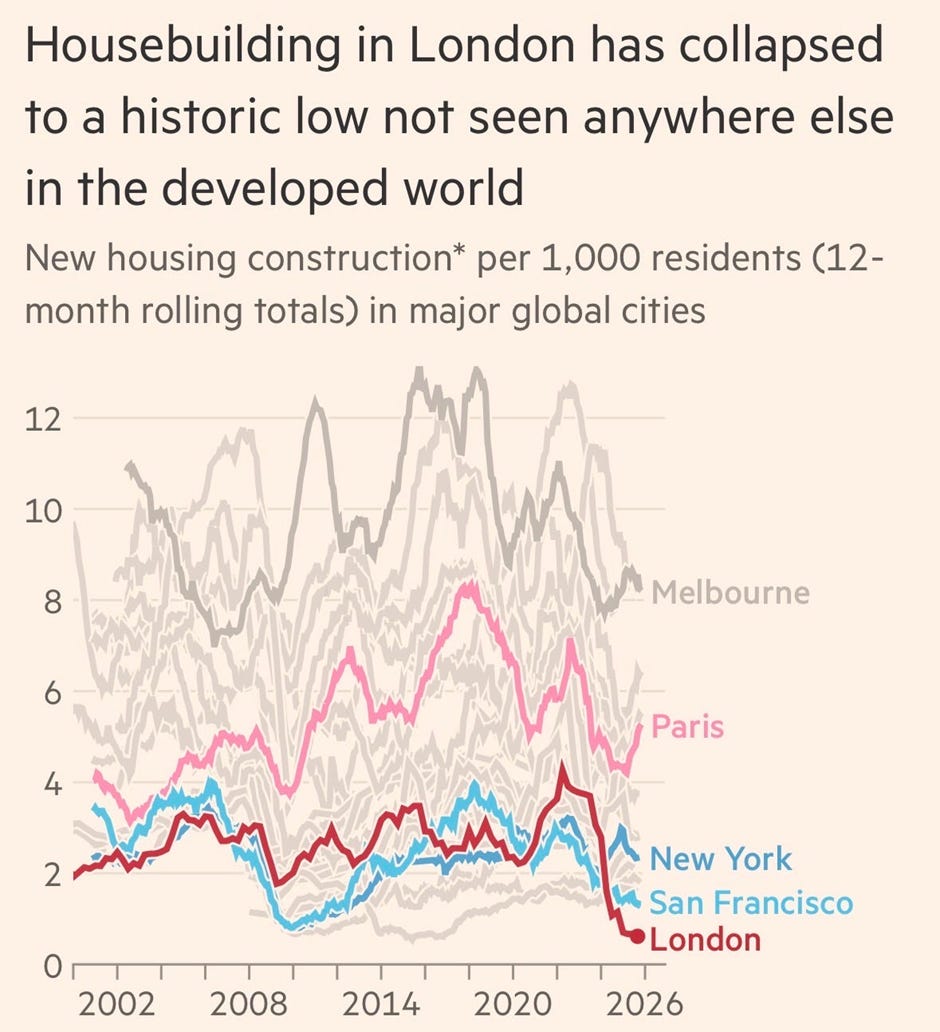
And this is not just an Islington problem. Across London, councils miss targets year after year while rents climb and waiting lists grow.
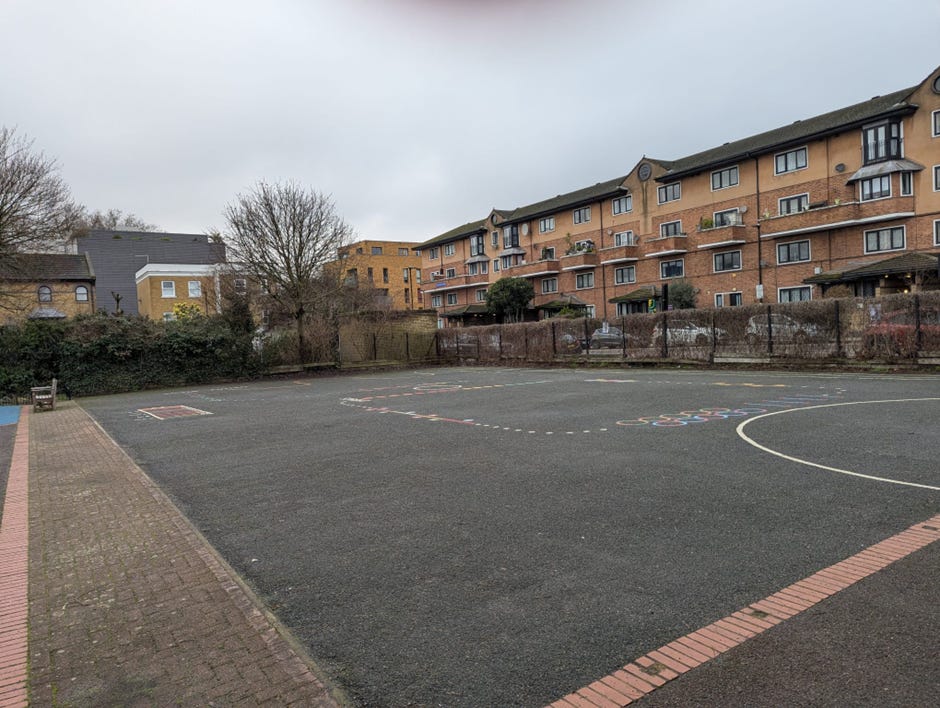
So what did Islington Council propose as a small step towards fixing this? Eighteen new homes. Half of them would have been socially rented. The site? A patch of council-owned concrete hardstanding in Morton Road Park.
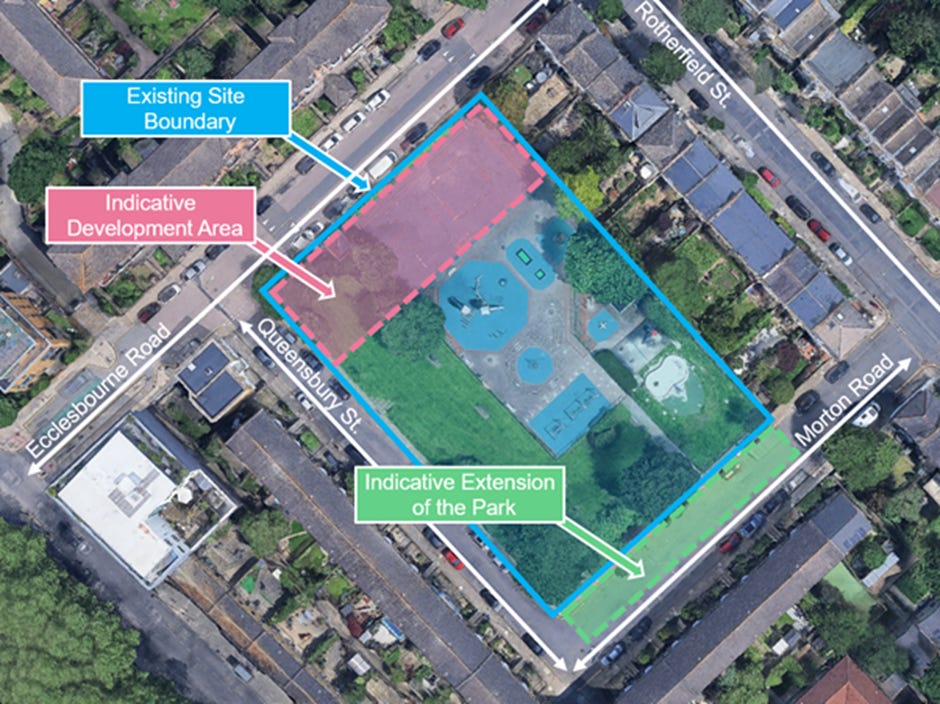
The council would have expanded the surrounding green space to compensate, including extending the park into a surprisingly wide nearby road. The result would have been a small reduction in total open space on paper, but an increase in actual green space.
The development would have been four to five storeys, in keeping with surrounding buildings. It sits around the corner from Essex Road station and about a 15-minute walk from the Tube. Even by Islington standards, Canonbury is expensive. If there is anywhere in the borough where a modest infill scheme like this makes sense, it is here.
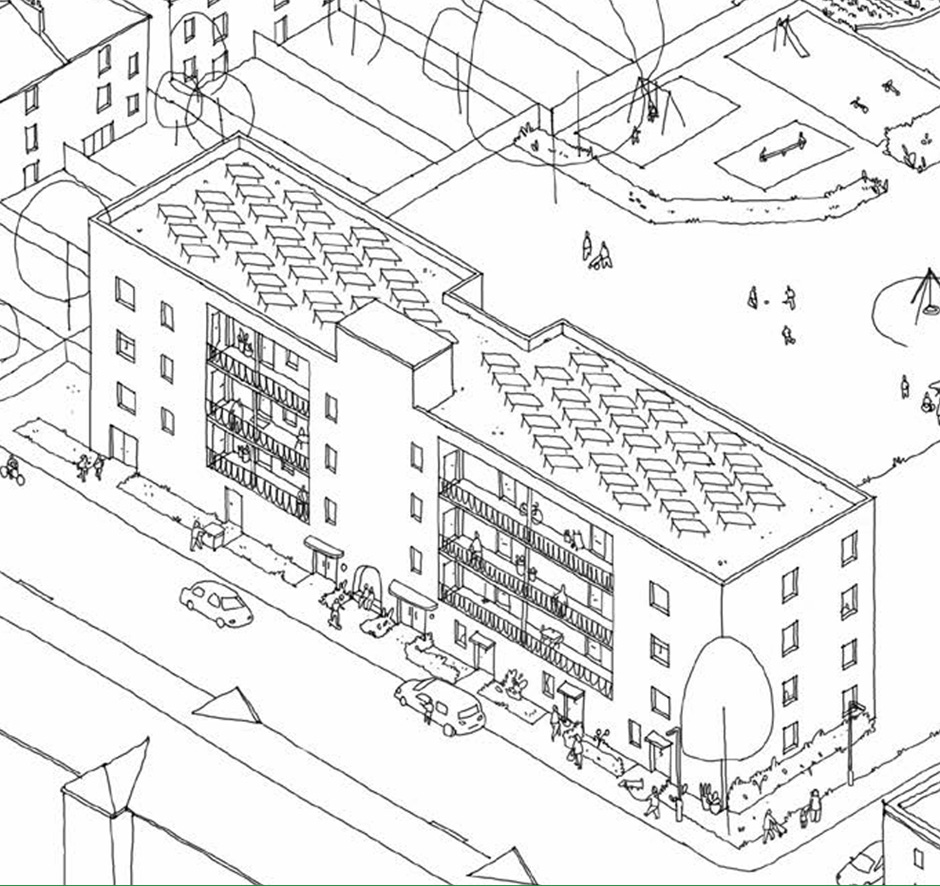
It is hard to imagine a lower-impact development in a dense inner London neighbourhood.
It never even reached the planning application stage.
Instead, a misleading and disingenuous campaign took off. Signs appeared declaring “Save Morton Road Park”, as if the entire park were under threat. The concrete slab earmarked for housing was described as a “football pitch”.
On a recent visit, the playground and grass were full of children. The hardstanding was empty. While a football could technically be kicked around on it, calling it a football pitch is generous to say the least. There was no mention in campaign materials of the additional green space that would have been created.
A search online reveals other objections: claims that removing the hardstanding would increase knife crime, complaints that some nearby flats might lose their view of fireworks on the Thames. Others were more straightforward. They opposed the development because it was happening near them.
In the end, the council caved. Citing a petition signed by less than 3% of local residents, the New Homes Project Manager, backed by local councillors including the Executive Member for Homes and Neighbourhoods, chose not to continue with the scheme. This, in a borough with 16,000 people waiting for social housing.
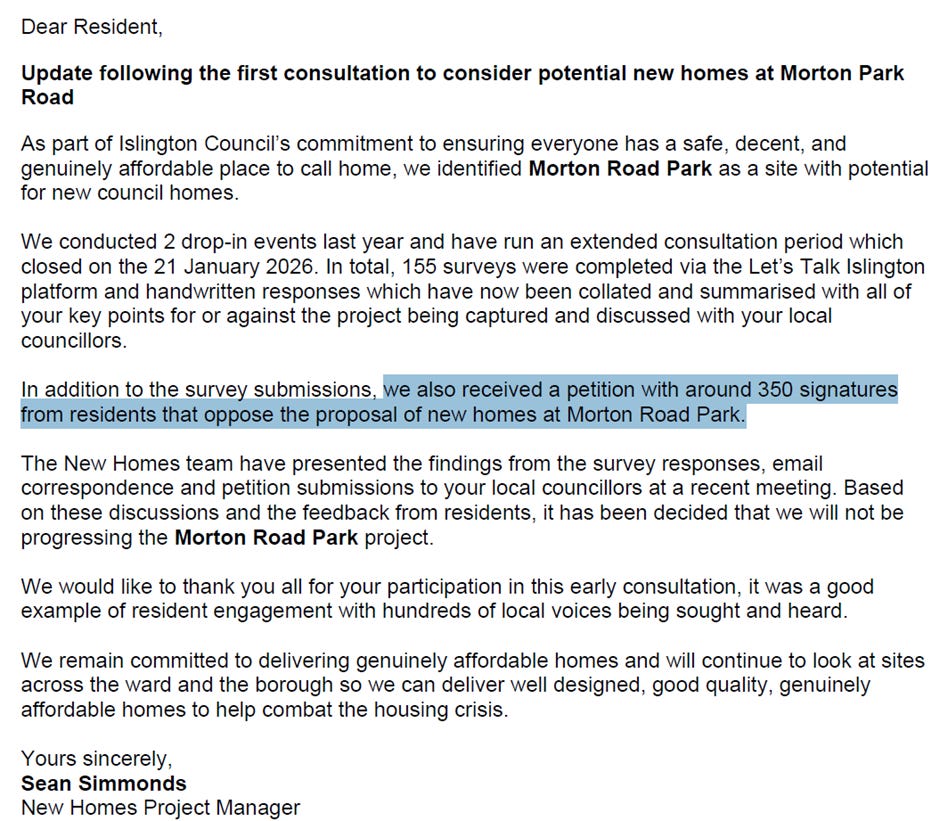
The letter from Islington Council announcing that the project will not go ahead
According to the council’s own website, there are now zero housing developments under way in Canonbury.
Unlike some private schemes, there is no appeal route here. This was the council proposing homes on its own land. It could have built these 18 homes under the current planning system. It chose not to.
Sixteen thousand people are waiting for a home. Eighteen would not have solved the crisis. But when even 18 modest homes on a patch of concrete are too much, it becomes much easier to understand why the crisis continues.

This is just obscene. Everywhere in the country, local communities are blocking development. "Anywhere but here." It's tragic.
Just to say, in Highbury we supported an infill social housing project around a decade ago. We has worries that the density was too high (several times over the Mayor’s guidelines), and the scheme was adjusted. Zero-parking also helped it to fit into the existing road/built environment. It’s been a success. I’d encourage other Islington neighbourhoods to engage and support, not to stick your heads in the sand while our fellow citizens are left without affordable housing.